
In this demonstration everyday kitchen objects show that they can be more than tools of daily life. Computer vision algorithms materialize these kitchen “symbols” into something different, yet meaningful to the eye.
A fork and knife, a spoon and a coffee mug. The sort of things that sit on a kitchen counter without anyone looking at them. Among them is one object that does not belong. A piece of obsidian. Black volcanic glass. It sets the useful kitchen tools against its own uselessness.
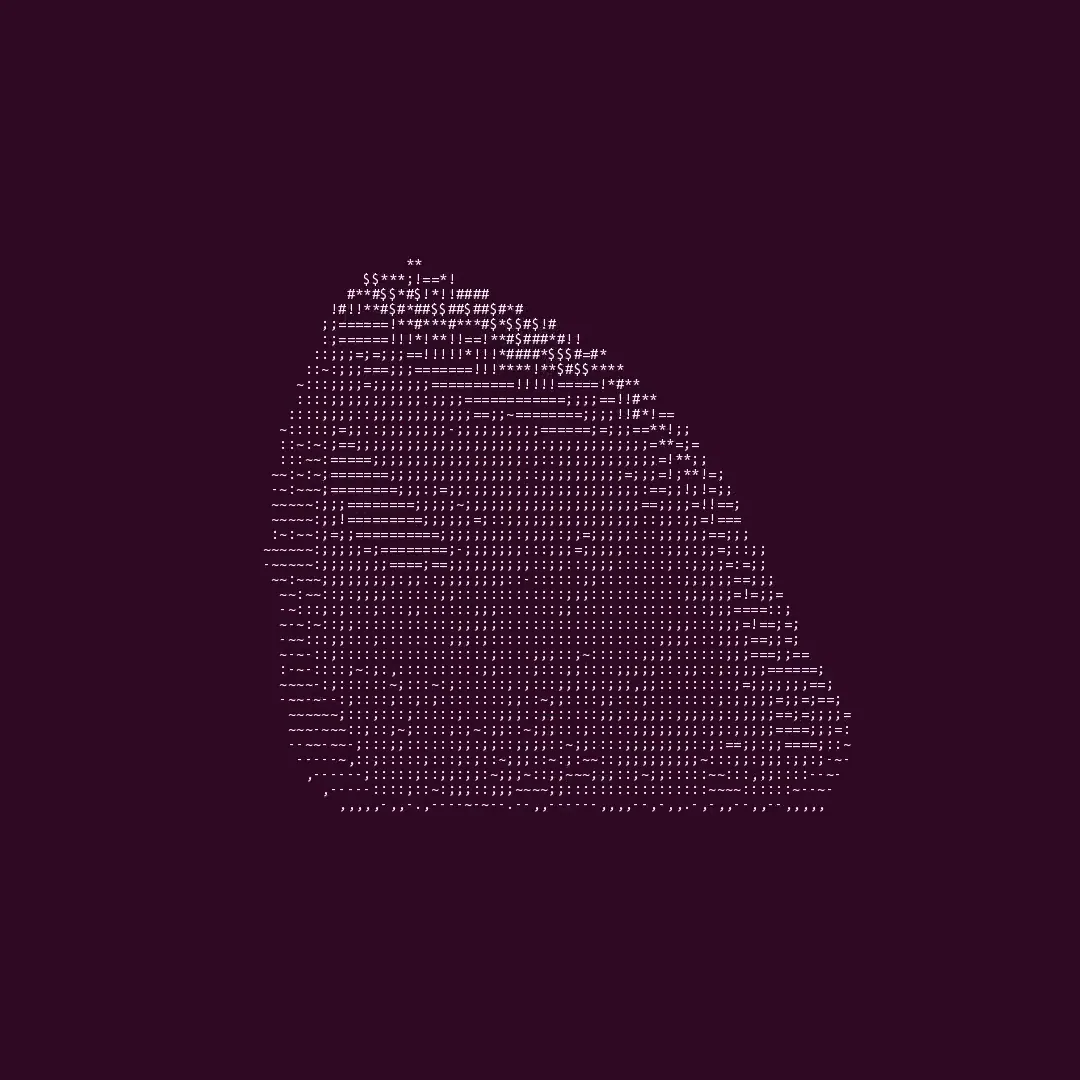
Each object is photographed from many views to make a full 360-degree view. These views are fed into a custom 3D rendering engine written in plain C. The engine draws everything in 3D with simple computer symbols like “#”, “!” and “;”.
The object spins without stopping and shows itself from every angle. This creates an optical illusion. A 3D form appears inside a fast and simple graphics environment.
The technique produces an executable program. It can run even on a calculator with very little processing power and low power consumption.
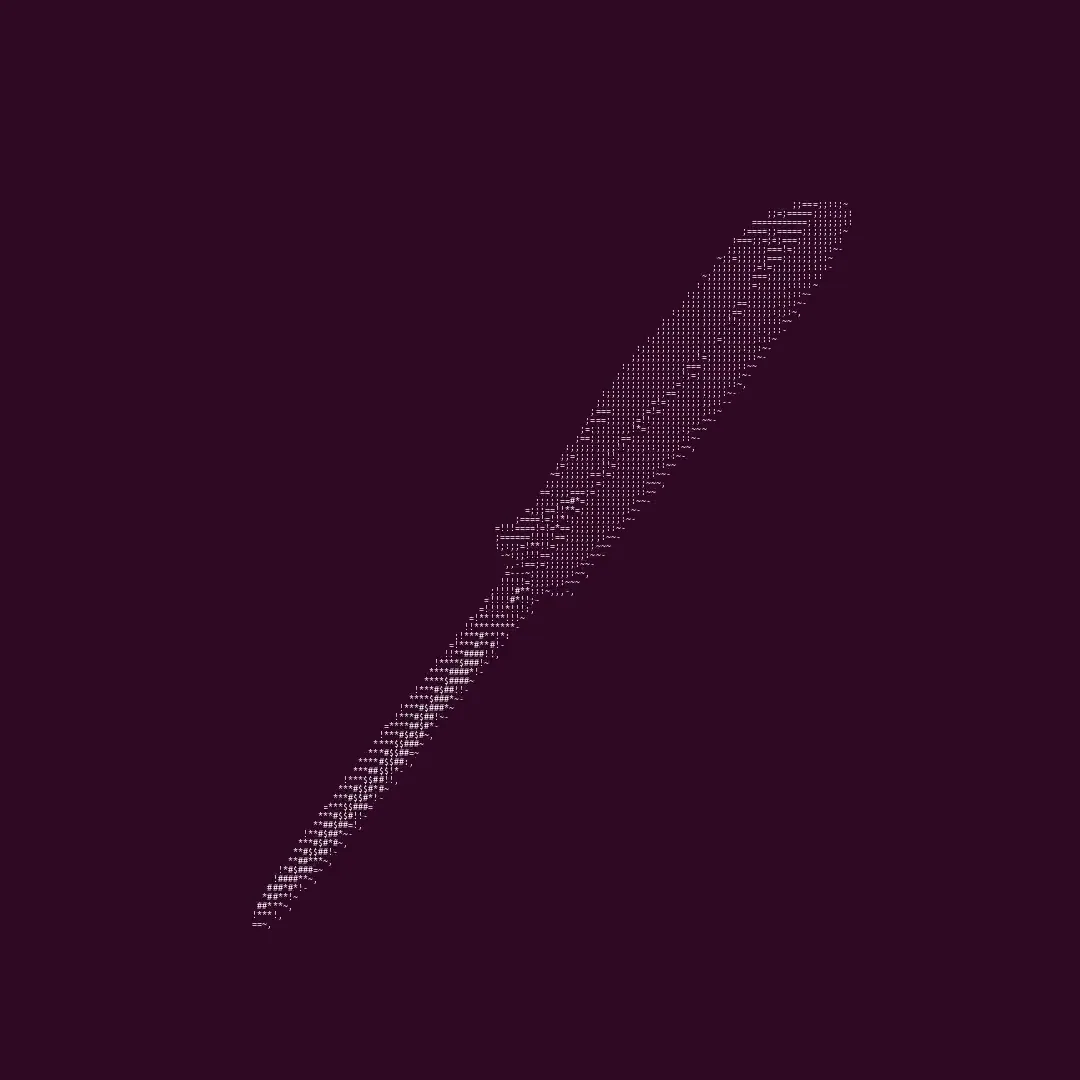
What a trick! The kitchen cutlery is no longer so different from the obsidian rock. In this 3D graphics world a fork cannot be held and a mug cannot be filled. Their use has vanished. Every object is drawn with the same few symbols. Every object spins in the same way. The tools and the outlier now share one thing. They are only forms to be looked at.